Optimal Timing for Concrete Installations
Concrete installations are most effectively completed during specific times of the year to ensure optimal curing and durability. The ideal conditions typically involve moderate temperatures and low humidity levels, which help prevent cracking and ensure a smooth finish.
Spring offers moderate temperatures and lower chances of extreme weather, making it suitable for concrete work. Spring installations benefit from stable conditions before the heat of summer.
Fall provides cooler weather that helps concrete cure properly. It is often preferred in regions with hot summers to avoid rapid drying and cracking.
Extreme heat can cause rapid evaporation, leading to cracks, while freezing temperatures prevent proper curing. Timing installations outside these extremes is recommended.
Local climate patterns influence the best timing. In Temple, TX, mild winters and hot summers make spring and fall the most suitable periods for concrete work.
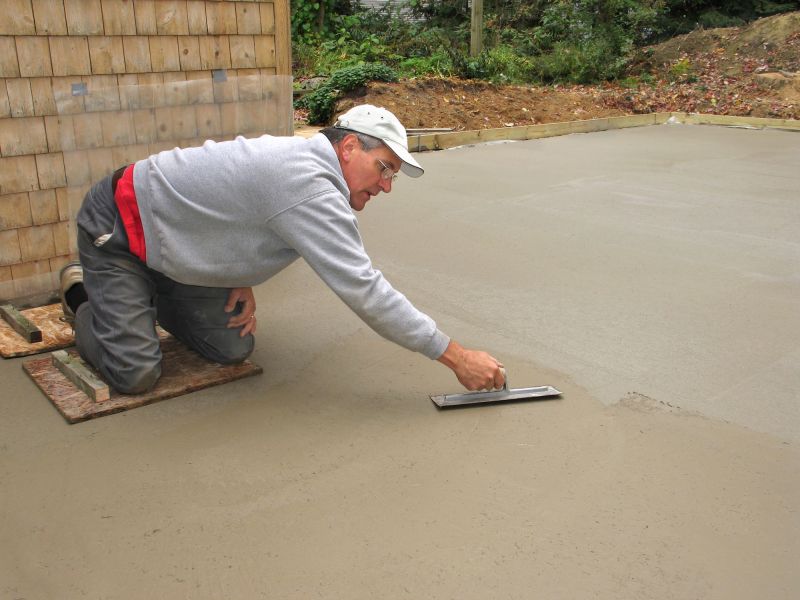
Image depicting concrete pouring during spring with mild weather conditions.
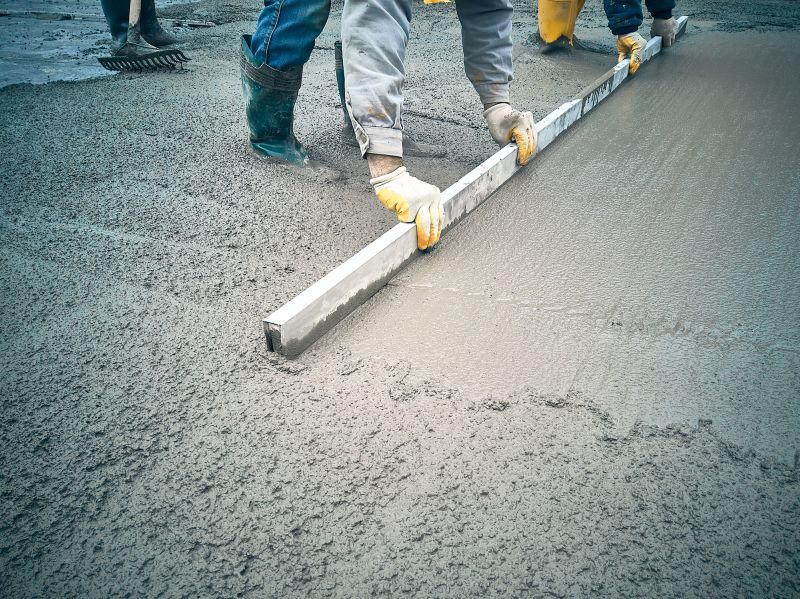
Image showing a concrete slab being finished in autumn weather.
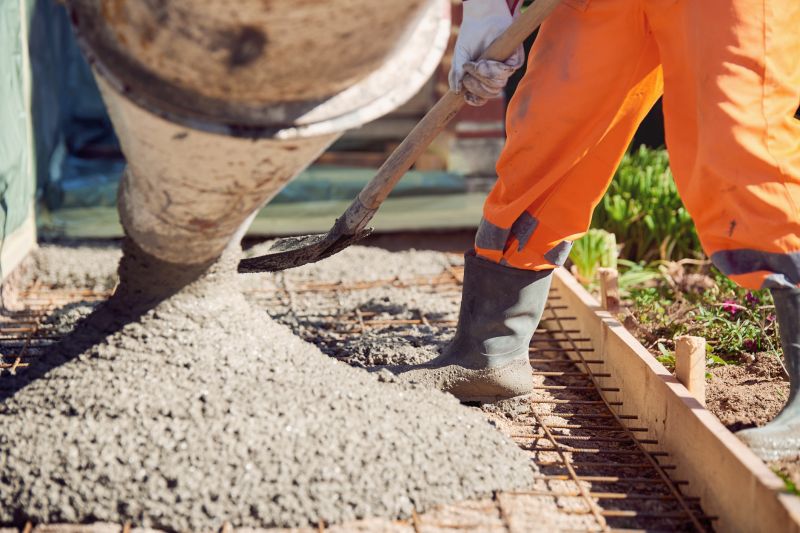
Image illustrating a clear, mild day suitable for concrete installation.

Ways to make Concrete Installations work in tight or awkward layouts.
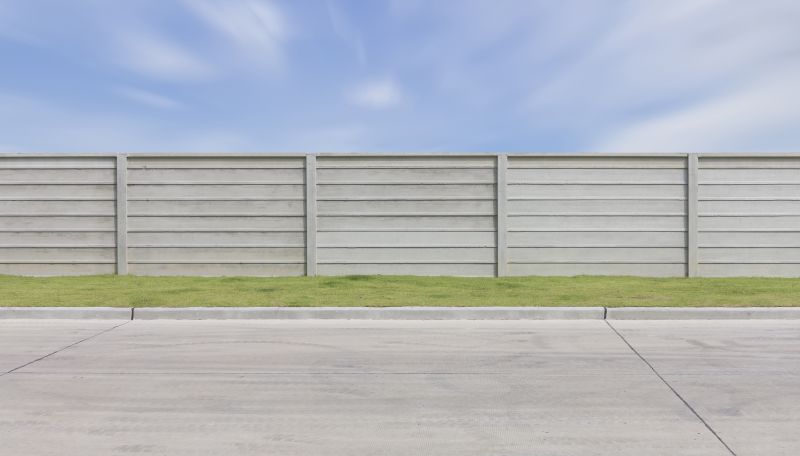
Popular materials for Concrete Installations and why they hold up over time.
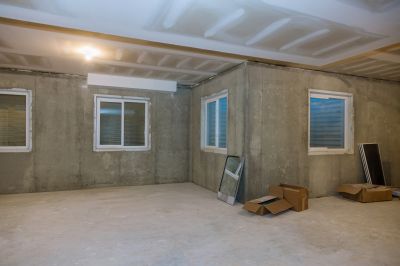
Simple add-ons that improve Concrete Installations without blowing the budget.
Concrete installations involve pouring a mixture of cement, sand, gravel, and water into prepared forms to create durable surfaces. Proper timing is essential to achieve optimal curing, which impacts the strength and longevity of the finished surface. Weather conditions significantly influence the curing process; high temperatures can cause rapid evaporation, leading to cracks, while freezing temperatures halt curing altogether. In regions like Temple, TX, planning concrete work during spring and fall ensures the best results, taking advantage of moderate temperatures and stable weather patterns.
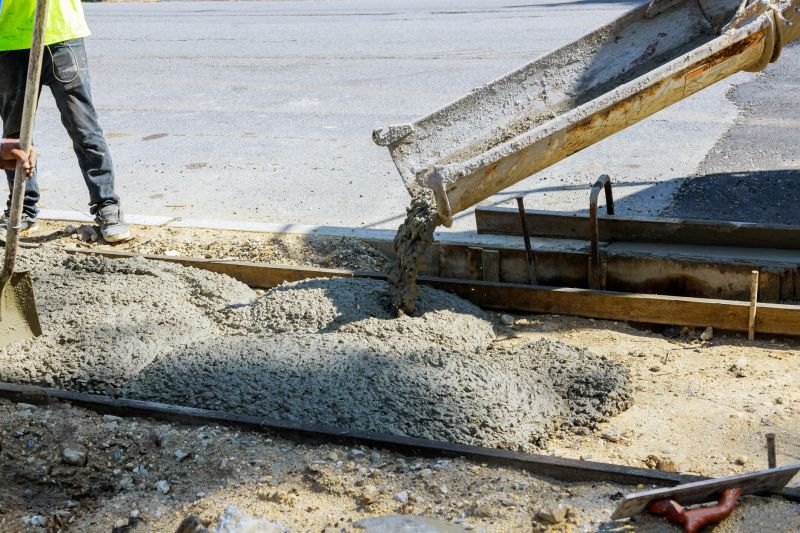
Image of concrete being poured under ideal conditions.
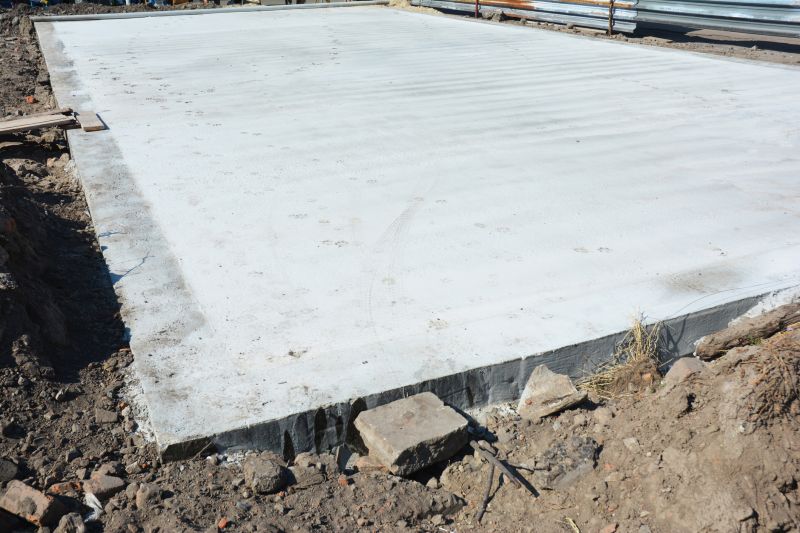
Image of a smooth, cured concrete slab.
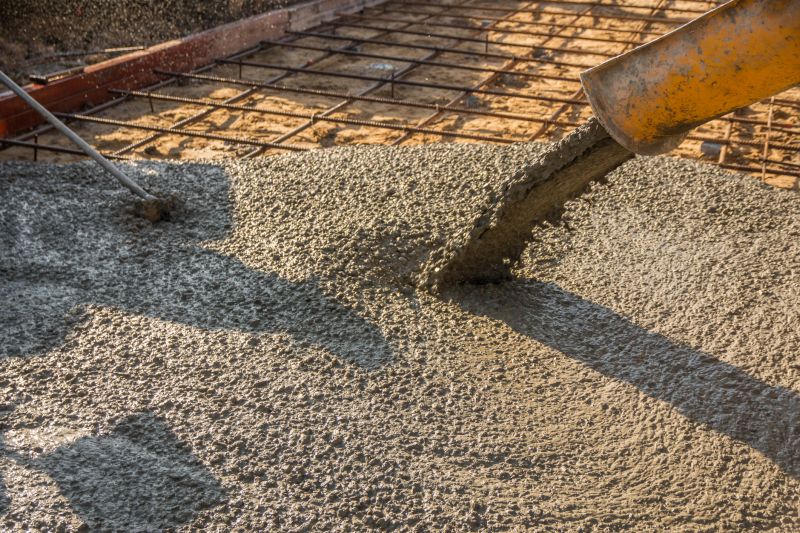
Image showing site preparation before pouring.
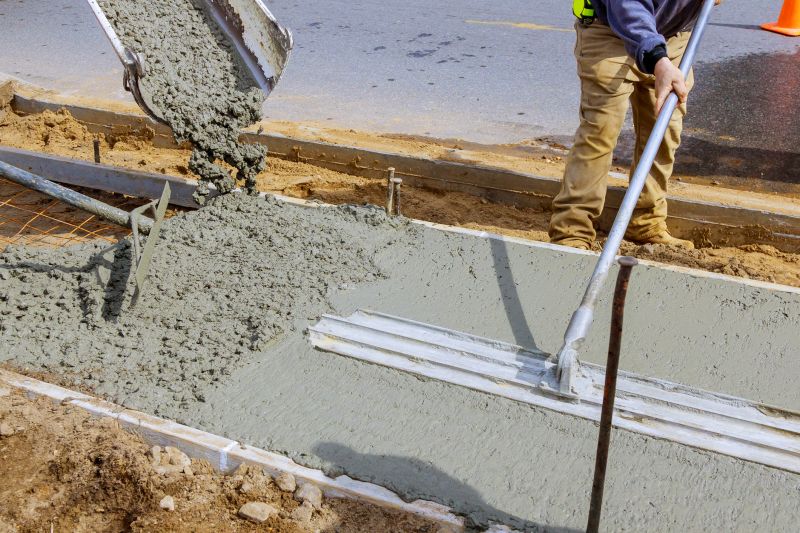
Image illustrating curing methods for concrete.

High-end options that actually feel worth it for Concrete Installations.

Finishes and colors that play nicely with Concrete Installations.

Little measurements that prevent headaches on Concrete Installations day.
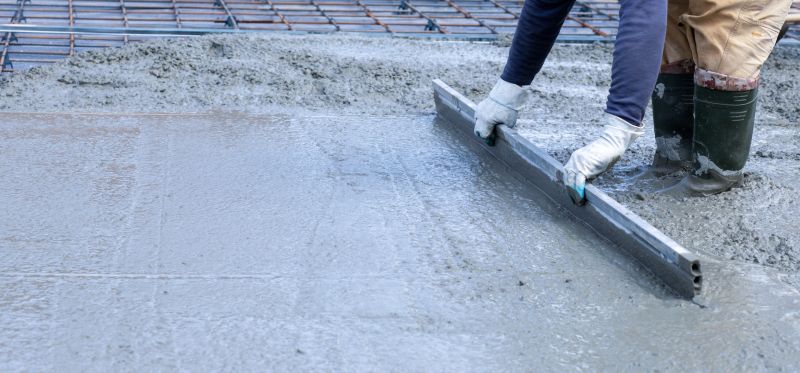
A 60-second routine that keeps Concrete Installations looking new.
| Season | Advantages |
|---|---|
| Spring | Moderate temperatures, low humidity, ideal for curing. |
| Fall | Cooler weather reduces rapid evaporation, good for durability. |
| Summer | High temperatures may cause cracking; requires extra care. |
| Winter | Freezing temperatures prevent proper curing; generally not recommended. |
| Recommended | Spring and fall for optimal results in Temple, TX. |
Understanding the seasonal influences on concrete installation can lead to better planning and improved outcomes. Proper timing reduces the risk of cracking, uneven curing, and surface defects. Local weather patterns should be monitored to select the most suitable windows for project completion. Consulting with experienced professionals can help coordinate scheduling around favorable conditions, ensuring a durable and high-quality finish.